Eco-Tech Shout Out: The CoolBot
Major cultural shifts in consumerism, agriculture, energy and land use, transportation, awareness, reproductive freedom, and legislation are necessary for humanity to limit carbon output, and in turn, prevent irreversible environmental degradation. However, the route to instilling these values is rather convoluted given the intertwined matrix of cultures and nations, and the inevitable disagreements between them throughout the world. Facilitating these paradigm shifts requires education, understanding, innovation, and of course: time.
As time is of the essence, the ongoing experimentation and development of cutting-edge ecotechnologies present immediate forms of mitigation. Czech biomathematician Milan Straškraba described eco-technology as being “based on a deep understanding of the principles on which ecological systems are built and on the transfer of such principles into ecosystem management.” In turn, these technologies are then utilized to help humans satisfy their needs while also simultaneously minimizing costs and environmental degradation. Sustainable global development depends on the incorporation of eco-technologies with global implications in mind. This contrasts with “brute-force technology” which uses any technical means to address local environmental deterioration, potentially offsetting this localized mitigation by creating additional issues unrelated to those of focus. Developers of eco-technologies can range from Ph.D. researchers to those who have never stepped foot in a classroom. Regardless of their background, the extent of their innovations can be wide-reaching.
Take the case of CoolBot.
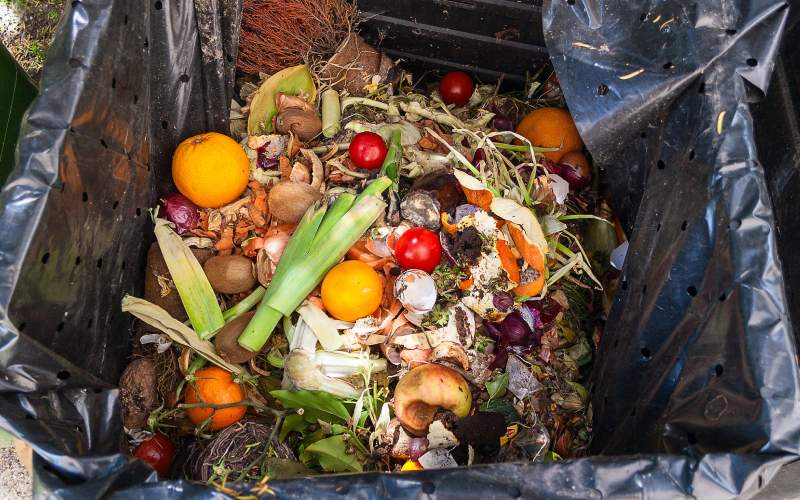
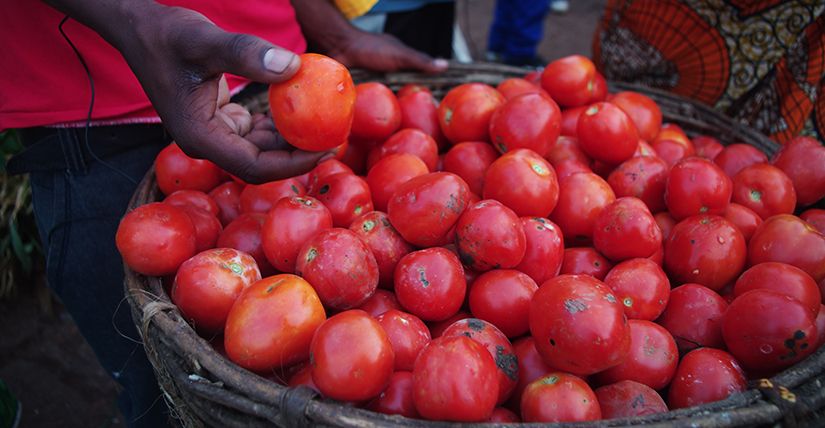
Ron Khosla of upstate New York experienced what many farmers have; inadequate cold storage capabilities leading to spoilage and subsequent underpricing of fresh produce to compensate for losses. At the global level, it is estimated that 1/3rd of food produced is lost during post-harvest operations. This equates to 1 trillion USD in losses coupled with an incredible waste of energy, labor, and water. In several developing countries the losses may be as high as 50%. Farmers around the world deal with this dilemma, and when adding on losses from pests, soil infertility, and a lack of accessible educational resources, it can add both ample stress and huge amounts of waste to an operation. One of the primary reasons for this is insufficient cold storage. Acquiring appropriate cold storage can be quite expensive and in some regions where electricity is a luxury, it is not feasible. So like many others, Khosla faced a pressing issue. Saving money, however, remained imperative so he sought a DIY solution before breaking the bank.
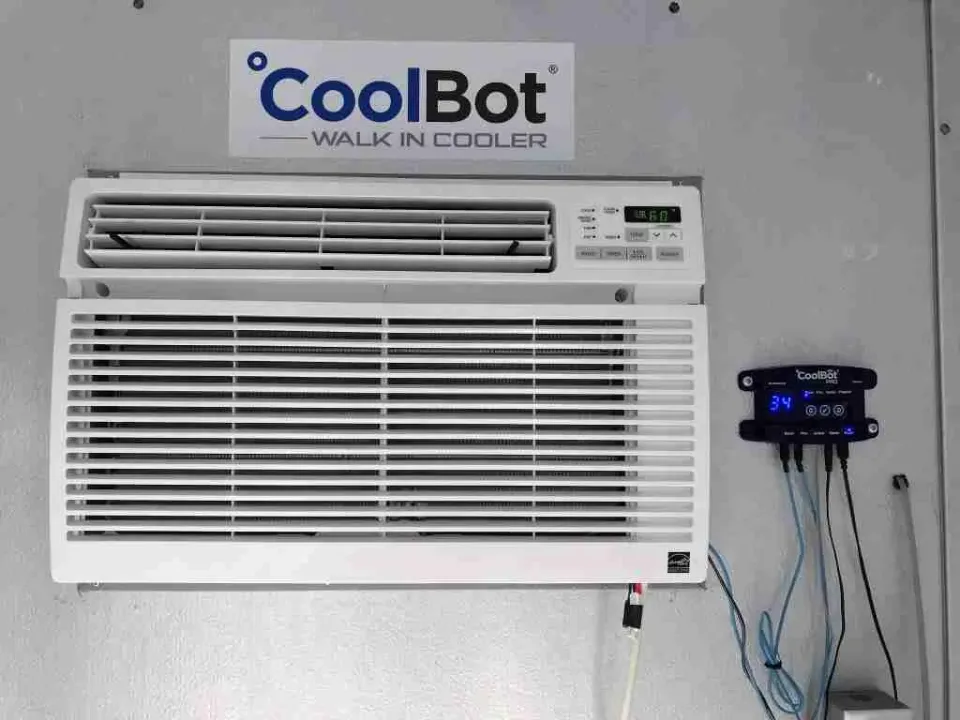
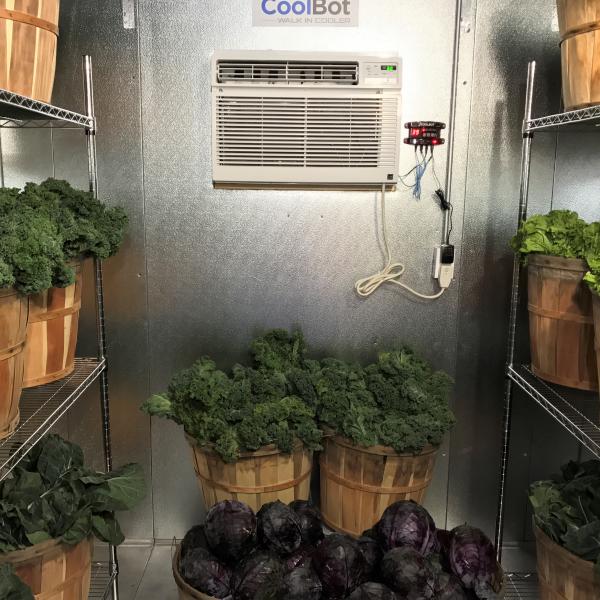
Through years of trial and error, including destroying several air conditioning units, and eventually consulting the help of his college roommate, an engineer from Cornell, he was able to nail the design of a device that tricked an air conditioner into working hard to cool temperatures to just above freezing, but then idling before the fans could freeze. The CoolBot was born. With the CoolBot, proper insulation, an air conditioner, and a small, enclosed space, you have a makeshift cold storage room many times cheaper than a commercial walk-in cooler compressor.
While the CoolBot was useful to Khosla, it has gone on to be recognized by leading researchers as a highly cost-effective solution especially useful to smallholder farmers in the developing world. The UC Davis Feed the Future Innovation Lab for Horticulture has tested the CoolBot on three continents. Dr. Jane Akumbo of the University of Nairobi has given a TEDx talk on the power of the CoolBot and how it addresses several major problems that Kenya’s smallholder growers face, and she has also received a grant to pilot it in the country. It has already been utilized in Uganda, Tanzania, and Honduras among other nations. In many of these developing areas where electricity is a luxury, decentralized renewable energy may make CoolBot's impact even more wide-reaching.
The CoolBot exemplifies our ability to create solutions to our problems and apply them across wide geographic and cultural scales. What started on a small organic farm in upstate New York as a frugal way to keep fruit from spoiling is now impacting entire nations. It must be mentioned that Khosla’s methodology took years to perfect, and it is likely still evolving. Plus, those who utilize it in different parts of the world must carefully consider their resources, budget, climate, etc. before ensuring proper implementation. Eco-technologies may stem from basic ideas but for them to have a large-scale impact, it takes rigorous testing, funding, collaboration, ingenuity, persistence, and perseverance.
The CoolBot has been around for several years now and it has likely flown under the radar of many who aren't farmers or food waste researchers. Raising awareness about innovations like that of Khosla’s may help to educate people about the issues that our planet faces, and in this case, specifically, inform the public about inefficiencies in our food supply chains as well as our often innocuous propensity to generate waste. If we're really lucky, it might inspire the next person to share their personal success story with the world.